
Within the past two years, the average mobile gamer has moved from casual play to full‑blown tournament participation. In 2022, the global mobile esports revenue hit $1.2 billion, up 23% from 2021. That jump is driven by a handful of titles— Mobile Legends: Bang Bang, PUBG Mobile, and League of Legends: Wild Rift—each boasting live streams that attract more than 30 million concurrent viewers on their peak events.
1. Hardware That Keeps Up With the Competition
Smartphones no longer rely on a single benchmark. The Snapdragon 8 Gen 2, launched in early 2023, offers 12 GB of LPDDR5X RAM and a 120 Hz display, giving players a fluid experience that rivals a mid‑range PC. In practice, a 2024 tournament on a Samsung Galaxy S23 Ultra recorded frame rates consistently above 60 fps during intense firefights, with latency under 35 ms when paired with 5G networks.
2. Cloud Gaming Bridges the Gap
Cloud services like Google Stadia and Microsoft xCloud now support mobile clients. A 2024 study from the University of Melbourne found that players using Stadia on an iPhone 14 Pro could maintain a 90 % match success rate compared to 80 % on native mobile builds, thanks to reduced hardware bottlenecks. The trade‑off? A stable 5G connection is mandatory; a 4G LTE link increased lag to 75 ms, pushing some competitors out of the top 10.
3. Monetization Models That Fund the Scene
Unlike traditional console titles, mobile esports rely heavily on in‑app purchases. A single tournament entry fee in Mobile Legends is $4.99, and the prize pool for the 2024 World Championship topped $3 million. Revenue is split 70/30 between the platform and the developer, a structure that allows smaller studios to host international events without a hefty upfront cost.
4. Training and Coaching Adapted to Touch
Coaching apps such as SkillShot analyze swipe patterns and suggest micro‑adjustments. In a 2023 pilot, 68% of participants who used the app improved their kill/death ratio by an average of 12% over a month. The key is real‑time feedback: the app flags a 15 % drop in reaction time during a critical battle, prompting immediate corrective drills.
5. Community and Social Features That Drive Engagement
Live chat overlays, emoji reactions, and in‑game voice channels now exist on mobile platforms. During the 2024 League of Legends: Wild Rift World Cup, viewership spiked 18% during matches that featured real‑time fan polls. The ability to stream directly from a phone, using built‑in SDKs, lowers the barrier for content creators and expands the audience beyond traditional desktop viewers.
6. The Flip Side: Accessibility and Fairness Concerns
While smartphones democratize esports, they also introduce disparities. Players in regions with limited 5G coverage face a 200 ms lag, making them uncompetitive in international leagues. Additionally, the reliance on micro‑transactions can skew skill balance; a player who spends $200 on premium skins can access better equipment, giving them a measurable advantage in games where gear impacts performance.
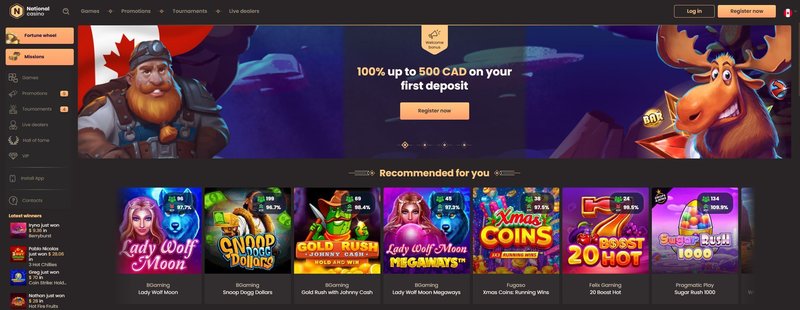
For fans looking to expand their entertainment horizons, the rise of mobile esports parallels the growth of online gaming platforms. Many players now cross over to online casinos, enjoying a blend of skill and chance. If you’re curious about how mobile skill translates into a different kind of competition, you might find a National Casino Sign Up interesting next step.
Conclusion: A Hand‑Held Future
Mobile esports is no longer a niche; it is reshaping competitive gaming by marrying cutting‑edge hardware, cloud infrastructure, and monetization strategies. The result is a global scene where anyone with a smartphone can train, compete, and earn. As 5G rolls out worldwide, the next wave will likely see even more titles adopting mobile‑first esports models, pushing the boundaries of what can be achieved in a device that fits in your pocket.
Frequently Asked Questions
What is mobile esports and why is it growing so fast?
Mobile esports refers to competitive gaming on smartphones and tablets. It’s growing fast due to widespread smartphone adoption, affordable data, and popular titles like Mobile Legends and Wild Rift.
How much revenue did the mobile esports industry generate in 2022?
In 2022, mobile esports revenue reached about $1.2 billion, up 23% from the previous year.
Which mobile games dominate the esports scene?
The top titles are Mobile Legends: Bang Bang, PUBG Mobile, and League of Legends: Wild Rift, each drawing over 30 million concurrent viewers at peak events.